Pool Pump Not Working? A Troubleshooting Guide for Homeowners
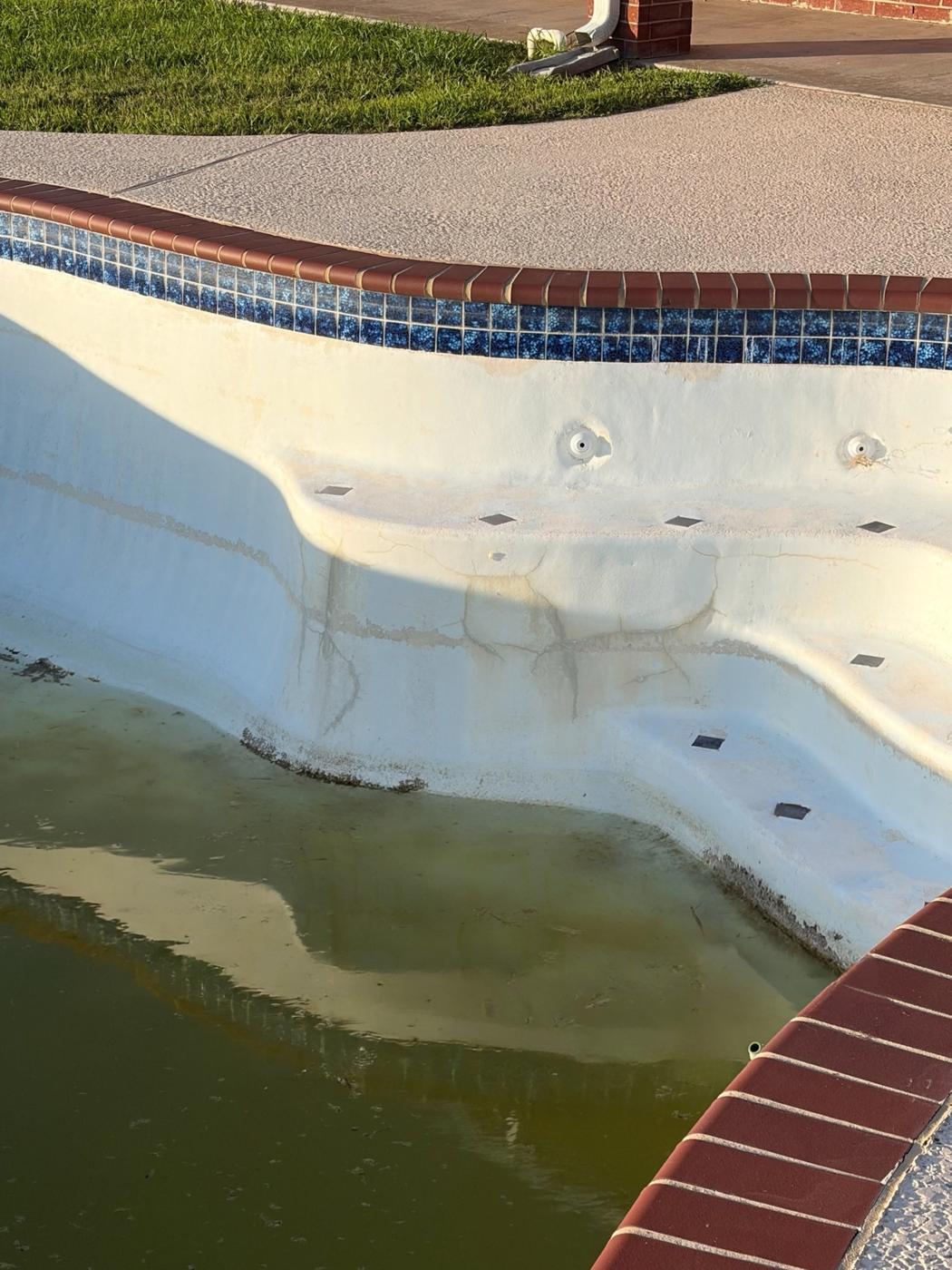
Your pool pump is the heart of your pool — when it stops working, circulation stops, filtration stops, and your water starts going green within days. The good news is that many pump problems have simple causes you can check yourself before calling for a repair. Here's how to diagnose the most common issues.
The pump won't turn on at all
If nothing happens when the pump should run — no hum, no noise, nothing — work through these in order:
- Check the breaker — a tripped breaker is the #1 cause of a dead pump
- Check the pump's timer or automation system — it may simply be set to an off cycle
- Look for a GFCI outlet that may have tripped (common on older setups)
- Check for a tripped overload protector on the motor itself
- If the motor hums but won't spin, the start capacitor may be bad — a common, affordable fix
A motor that hums but won't start often points to a failed start capacitor or a seized impeller. Don't let a humming motor run — it can overheat and damage the windings. Shut it off and get it looked at.
The pump runs but won't prime
Priming means the pump fills with water and pulls properly. If it runs but the basket stays full of air and there's no flow, it's lost prime. Common causes:
- The water level in the pool is too low — the skimmer is sucking air
- The skimmer or pump basket is clogged with leaves
- A suction-side air leak — often at the pump lid O-ring or a fitting
- A valve in the wrong position
Start simple: check the pool water level, empty the baskets, and inspect the pump lid O-ring — lubricate or replace it if it's dry or cracked. Many 'broken' pumps are just air leaks at the lid.
The pump is making strange noises
Loud screeching or grinding
This usually means the motor bearings are failing. Bearings wear out over time, especially if the pump runs hot or has taken on water. A bearing failure is repairable, but it's often more cost-effective to replace the motor or the whole pump depending on age.
Rattling or vibrating
Often a loose impeller, debris in the impeller, or a pump that's come loose from its base. Shut it off and clear any debris from the impeller before running it again.
Cavitation (sounds like gravel)
A gravel-like noise usually means the pump is starved for water — a suction blockage or air leak. Cavitation damages the impeller over time, so don't ignore it.
Low flow or weak pressure
If the pump runs but returns are weak, check the filter pressure. A dirty filter is the most common cause of low flow — clean or backwash it. Also check for partially closed valves, a clogged basket, or an impeller that's partially blocked.
The pump is leaking water
Leaks from the pump usually come from one of three places: the seal plate (worn shaft seal), the housing (cracked), or a fitting. A shaft seal leak is common and affordable to fix; a cracked housing often means replacing the pump. A small drip today becomes a big leak tomorrow — and a leaking shaft seal can let water into the motor bearings, turning a small fix into a motor replacement.
Most 'dead pump' calls we get are a tripped breaker, a clogged basket, or a dry O-ring. Always check the simple stuff first — but if the motor hums or grinds, shut it off and call us before it gets worse.
When to call a professional
If you've checked the breaker, baskets, water level, and O-ring and the pump still won't run, primes, or is making bearing or cavitation noises, it's time for a pro. Continuing to run a failing pump can turn a $150 seal into a $1,500 motor replacement. We diagnose pool pumps across Greenville, Rockwall, Caddo Mills, and Hunt County — diagnosis is free and we give you honest, upfront pricing before any work begins.
Frequently asked questions
Why won't my pool pump turn on?+
The most common cause is a tripped breaker. Also check the timer, any GFCI outlet, and the motor's overload protector. If the motor hums but won't spin, the start capacitor may be bad.
How long do pool pumps last?+
A typical pool pump motor lasts 5–10 years. Variable-speed pumps often last longer and cost far less to run. Bearings, capacitors, and seals can be replaced individually to extend the life of the pump.
Can I run my pool pump with a leak?+
No. A leaking shaft seal can let water reach the motor bearings, turning a small seal repair into a full motor replacement. Shut the pump off and have the leak fixed first.
Need help with your pool?
Kingdom Pools LLC is a family-owned pool service, repair, and remodeling company in Greenville, TX. We serve Greenville, Rockwall, Royse City, and the surrounding Hunt County communities. Get a free, no-obligation quote today.